
Blog
Best Peptides for Muscle Growth

Jan
Peptides for Muscle Growth: The Complete Science-Backed Guide
Introduction
In the relentless pursuit of peak physical performance and optimal body composition, fitness enthusiasts and athletes are constantly exploring new frontiers. Beyond traditional supplements like protein and creatine, a sophisticated class of compounds has entered the spotlight: peptides for muscle growth.
But what exactly are they? Are they the secret weapon for unprecedented gains, or a risky shortcut shrouded in controversy? This comprehensive guide cuts through the hype, offering a science-based look at how peptides work, their potential benefits, significant risks, and the critical legal considerations. Peptides for Muscle Growth
Recommended products
-
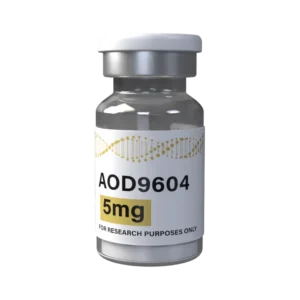
AOD-9604
$41.00 -
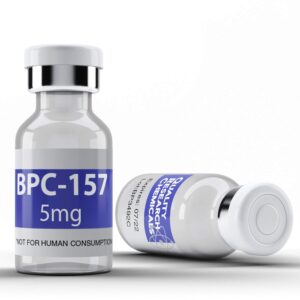
BPC 157 Peptide
Price range: $59.00 through $95.00 -
CJC 1295 ipamorelin
$59.00 -
GHRP-2
$48.00 -
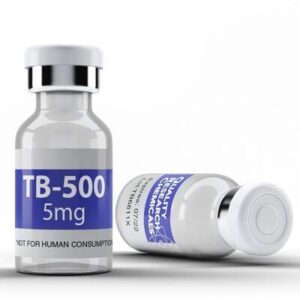
TB-500 Peptide
$79.00 -
Tesamorelin 5mg
Original price was: $95.00.$60.00Current price is: $60.00.

What Are peptides for muscle Growth?
Peptides are short chains of amino acids, the fundamental building blocks of proteins. Think of them as smaller, more specific versions of proteins. Naturally occurring in the body, they act as signaling molecules, instructing cells and organs to perform specific functions.
In the context of muscle growth, we’re primarily discussing bioactive peptides or synthetic peptide hormones designed to mimic or enhance these natural signals, particularly those related to growth hormone release, muscle repair, and fat metabolism. Peptides for Muscle Growth

How Do Peptides Work for Building Muscle?
Peptides don’t directly build muscle like dietary protein. Instead, they create an optimal internal environment for growth by:
- Stimulating Growth Hormone (GH) Release: Many peptides are Growth Hormone Secretagogues (GHSs). They signal the pituitary gland to produce and release more endogenous growth hormone.
- Increasing Insulin-like Growth Factor-1 (IGF-1): Elevated GH stimulates the liver to produce IGF-1, a primary driver of muscle cell growth, proliferation, and repair.
- Enhancing Recovery: They may reduce inflammation and promote better sleep, allowing for more frequent, intense training.
- Promoting Fat Loss: GH has potent lipolytic effects, helping shed body fat to reveal more muscle definition.
Top Researched Peptides for Muscle Growth
Important: The following peptides are often discussed in bodybuilding circles but are typically prescription-only medications or research chemicals. Their off-label use for performance enhancement carries risks.
1. Growth Hormone Releasing Hormones (GHRHs)
- Example: Tesamorelin
- Mechanism: Directly stimulates the pituitary to release GH.
- Claimed Benefits: Lean mass preservation, significant fat reduction (especially abdominal).
2. Growth Hormone Releasing Peptides (GHRPs)
- Example: Ipamorelin, GHRP-6
- Mechanism: Binds to ghrelin receptors to stimulate GH pulse.
- Claimed Benefits: Increased appetite (GHRP-6), improved sleep and recovery, moderate muscle growth.
3. Selective Androgen Receptor Modulators (SARMs)
- Technically not peptides, but often grouped.
- Example: Ostarine (MK-2866), Ligandrol (LGD-4033)
- Mechanism: Binds selectively to androgen receptors in muscle and bone.
- Claimed Benefits: Significant muscle and strength gains with (theoretically) fewer side effects than anabolic steroids.
4. Muscle Growth & Repair Peptides
- Example: BPC-157, TB-500 (Thymosin Beta-4)
- Mechanism: Promote angiogenesis (new blood vessel formation) and tissue repair.
- Claimed Benefits: Dramatically accelerated healing of injuries, tendons, and ligaments.

Potential Benefits vs. Proven Risks
Potential Benefits (Anecdotal & Research-Based):
- Increased lean muscle mass
- Decreased body fat percentage
- Improved strength and exercise performance
- Enhanced recovery between workouts
- Better sleep quality
- Injury healing acceleration
Significant Risks and Side Effects:
- Hormonal Imbalance: Can disrupt natural GH and testosterone production.
- Insulin Resistance: Elevated GH can impair glucose metabolism, potentially leading to pre-diabetes.
- Acromegaly Symptoms: Long-term use can cause joint pain, enlarged hands/feet, and organ growth.
- Cardiovascular Issues: May contribute to hypertension and cardiomyopathy.
- Uncertain Long-Term Safety: Many peptides lack long-term human safety data for fitness use.
- Purity & Dosing Risks: The gray-market nature means risks of contaminated or mislabeled products.
The Critical Legal & Safety Landscape
This is the most crucial section. The legality of peptides is complex and varies by country.
- Prescription-Only: Most peptides discussed (like Tesamorelin) are FDA-approved for specific medical conditions (e.g., HIV-related lipodystrophy) but are not approved for muscle building.
- Research Chemicals: They are often sold as “for research purposes only,” making human consumption illegal and unregulated.
- Banned in Sports: All major athletic organizations (WADA, NCAA) strictly prohibit peptide hormones and SARMs.
- Legal Alternatives: “Peptide-based” or “amino acid” supplements sold over-the-counter are generally not the potent, bioactive peptides discussed here and have little evidence for muscle growth.
Natural Alternatives to Optimize Your Growth Hormone

Before considering peptides, maximize your natural potential:
- High-Intensity Exercise: Sprinting and heavy resistance training are powerful GH stimulants.
- Optimized Sleep: 7-9 hours of quality sleep is when your body releases its largest GH pulse.
- Dietary Strategy: Intermittent fasting and reducing sugar intake can boost GH.
- Key Nutrients: Ensure adequate Vitamin D, Magnesium, Zinc, and L-Arginine/Glycine.
- Manage Stress: Chronically high cortisol blunts GH production.
Conclusion: A High-Risk Path, Not a Magic Solution
Peptides represent a powerful but double-edged sword in the pursuit of muscle growth. While the science behind their mechanism is sound, their off-label use for bodybuilding is fraught with significant health risks, legal ambiguities, and ethical concerns. Peptides for Muscle Growth
For the vast majority of athletes and fitness enthusiasts, the marginal potential benefits do not outweigh the serious risks. The foundation of muscle growth remains a consistent, periodized training program, a caloric surplus with sufficient protein, prioritized recovery, and proven supplements like creatine monohydrate. Peptides for Muscle Growth
If you are considering peptides for a legitimate medical condition, consult an endocrinologist or qualified healthcare professional. Self-experimentation with these potent compounds is a dangerous game with potentially long-term consequences for your health. Peptides for Muscle Growth
Disclaimer: This article is for informational purposes only and does not constitute medical advice. The use of peptides for performance enhancement is not endorsed. Always consult with a licensed healthcare professional before starting any new supplement, medication, or hormone therapy. Peptides for Muscle Growth
Table of Contents
