
Blog
Best Peptides for Weight Loss

Jan
The Science-Backed Guide to Peptides for Weight Loss: Benefits, Risks & What Really Works
For those navigating the complex world of weight management solutions, peptides have emerged as a topic of intense interest and scientific research. Moving beyond traditional diets and exercise regimens, these powerful chains of amino acids promise a more targeted, metabolic approach to fat loss. But what’s the real story? This comprehensive guide separates the hype from the science, exploring how peptides may influence weight loss, their potential benefits, and the critical considerations you need to know.
Recommended products
-
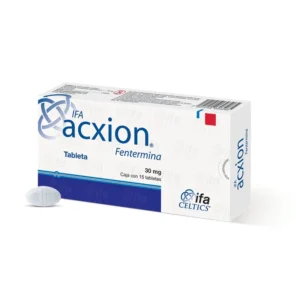
Acxion30mg
$130.00 -
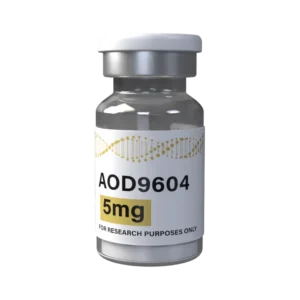
AOD-9604
$41.00 -
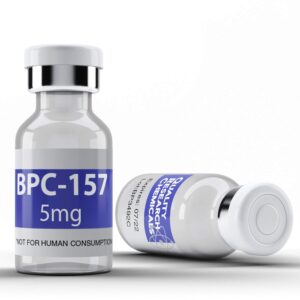
BPC 157 Peptide
Price range: $59.00 through $95.00 -
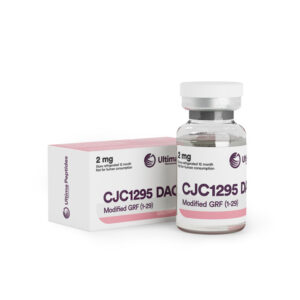
CJC 1295 ipamorelin
$59.00 -
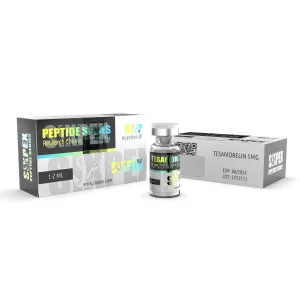
Tesamorelin 5mg
Original price was: $95.00.$60.00Current price is: $60.00. -
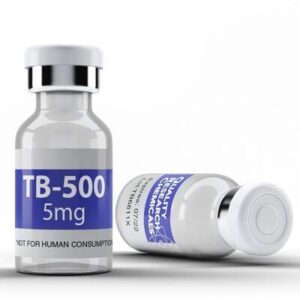
TB-500 Peptide
$79.00 -
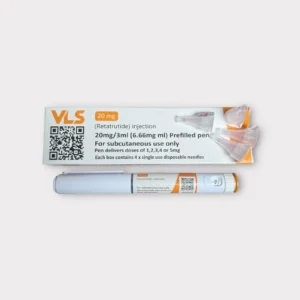
VLS Retatrutide
$149.00 -
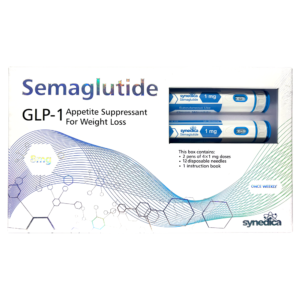
Semaglutide
$199.00
What Are Peptides, and How Could They Aid Weight Loss?
Peptides are short strings of amino acids, the building blocks of proteins. They occur naturally in the body and act as signaling molecules, instructing cells and organs to perform specific functions. Certain peptides are now synthesized in labs for research and therapeutic purposes, with some showing significant promise in regulating metabolism, appetite, and body composition. Peptides for Weight Loss
Unlike broad-spectrum supplements, specific peptides target precise physiological pathways. For weight management, the most studied mechanisms include:
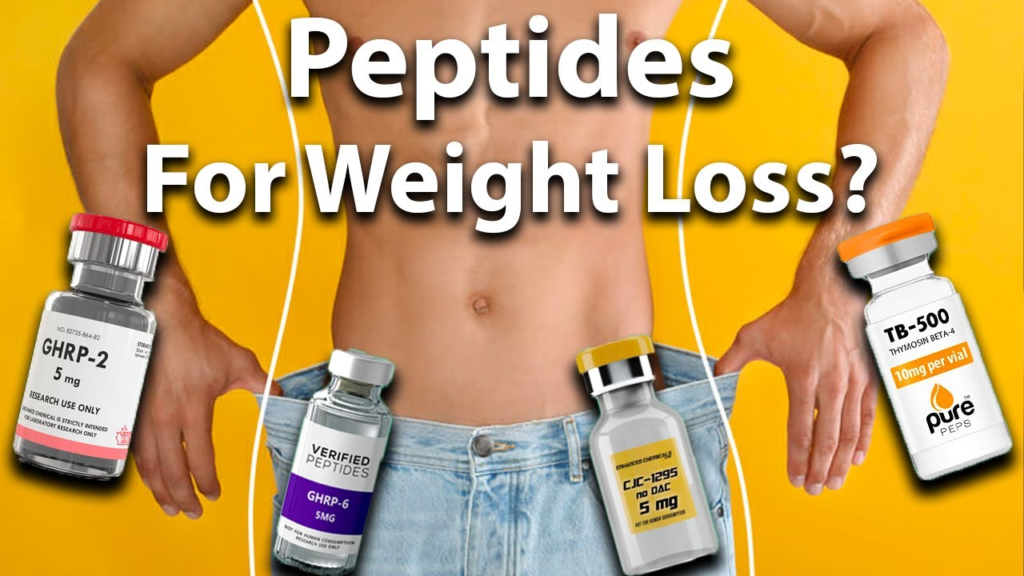
- Increasing Metabolism and Fat Burning: Some peptides may stimulate the release of growth hormone, which can boost metabolism, increase lipolysis (the breakdown of fat), and promote the growth of calorie-burning lean muscle mass.
- Suppressing Appetite: Certain peptides act on hunger centers in the brain, promoting feelings of fullness (satiety) and reducing overall caloric intake.
- Improving Insulin Sensitivity: Better blood sugar regulation can reduce fat storage, minimize energy crashes, and curb cravings.
Key Peptides for Weight Loss Researched for Weight Management
While research is ongoing, several peptides have garnered attention in the scientific and wellness communities:
- CJC-1295 & Ipamorelin (Growth Hormone Secretagogues): Often used in tandem, this combination stimulates the body’s own natural pulse of growth hormone. The potential benefits for weight loss include enhanced fat oxidation, increased muscle mass, and improved energy levels. It’s frequently cited in discussions about “body recomposition”—losing fat while gaining or preserving muscle.
- Tesamorelin: This is a synthetic peptide approved by the FDA for a specific use—reducing excess visceral fat in HIV patients with lipodystrophy. Its targeted action on stubborn abdominal fat makes it a significant point of interest in broader obesity research.
- GLP-1 Agonists (Semaglutide, Tirzepatide): While often classified as drugs, these are peptide-based. They mimic the natural GLP-1 hormone, dramatically slowing gastric emptying, suppressing appetite, and regulating blood sugar. Medications like Wegovy® (semaglutide) and Zepbound™ (tirzepatide) have produced substantial weight loss results in clinical trials, revolutionizing medical obesity treatment.
- Melanotan II: Primarily researched for skin tanning, Melanotan II has also shown appetite-suppressing side effects in some studies. However, its risk profile is less favorable, and it is not a recommended or safe primary choice for weight management.
The Peptides for Weight Loss Crucial Considerations: Safety, Side Effects, and Legality
The potential of peptides does not come without significant caveats.
- Not a Magic Bullet: Peptides are not a substitute for foundational health. They should be considered potential tools within a framework that includes a balanced, calorie-conscious diet and regular physical activity. The most dramatic results are seen when they are used to enhance these efforts.
- Side Effects Are Possible: Common side effects can include redness or irritation at the injection site (most peptides are administered via subcutaneous injection), headaches, fatigue, increased hunger (initially with some), or water retention. More serious risks can involve impacts on cortisol levels, insulin resistance, or joint pain.
- The Prescription Imperative: In the United States, Canada, the UK, Australia, and the EU, peptides for weight loss are almost exclusively prescription-only medicines. Legitimate use requires supervision by a licensed healthcare provider who can diagnose the root causes of your weight struggle, prescribe appropriately, and monitor your health through bloodwork and regular check-ins.
- Beware the “Research Chemical” Market: A vast online market sells peptides labeled “for research use only” or “not for human consumption.” These sources are unregulated, posing severe risks of contamination, incorrect dosing, and counterfeit products. Self-prescribing from these sources is dangerous and strongly discouraged.
The Bottom Line: Is the Peptide Path Right for You?

Peptides represent a fascinating, science-driven frontier in metabolic health and weight management. For individuals, particularly those with clinical obesity or metabolic resistance who have struggled with traditional methods, they can offer a powerful new avenue under medical supervision. Peptides for Weight Loss
If you are considering peptides for weight loss, your essential first step is a consultation with a knowledgeable medical professional. Look for an endocrinologist or a physician specializing in metabolic or regenerative medicine. A legitimate provider will:
- Conduct a thorough health assessment and blood panel.
- Discuss your full health history and weight loss goals.
- Prescribe pharmaceutical-grade peptides from a licensed compounding pharmacy.
- Provide clear dosing, administration instructions, and a schedule for follow-up monitoring.
Final Takeaway: Peptides for weight loss are a potent tool with real scientific merit, but they exist in a landscape filled with both promise and peril. By prioritizing safety, medical oversight, and realistic expectations, you can make an informed decision about whether this advanced approach aligns with your journey toward sustainable health and wellness. Peptides for Weight Loss

Disclaimer: This article is for informational purposes only and does not constitute medical advice. The information is not intended to diagnose, treat, cure, or prevent any disease. Always seek the advice of your physician or other qualified health provider with any questions you may have regarding a medical condition or before starting any new treatment. Peptides for Weight Loss
Table of Contents
Peptides for Weight Loss >> Peptides for Weight Loss
